Finance credit plays a central role in modern economies by enabling individuals, businesses, and governments to access funds beyond their immediate cash resources. In simple terms, finance credit refers to the ability to borrow money or obtain goods and services with the promise of repayment at a later date, usually with interest. This system supports economic growth, encourages investment, and improves overall financial flexibility.
At the individual level, finance credit allows people to meet essential and long-term needs. Common forms of personal credit include credit cards, personal loans, student loans, and mortgages. For example, a mortgage enables individuals to purchase homes that would otherwise be unaffordable through savings alone. Student loans help finance education, which can lead to better career opportunities and higher lifetime earnings. When managed responsibly, credit can be a powerful tool for improving quality of life.
Businesses also rely heavily on finance credit to operate and expand. Companies often use credit to purchase equipment, manage cash flow, invest in research and development, or expand into new markets. Small businesses, in particular, benefit from access to credit because it allows them to compete, innovate, and grow despite limited initial capital. Without finance credit, many businesses would struggle to survive or scale their operations.
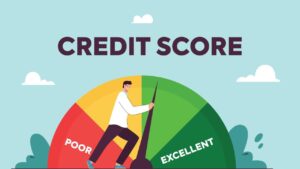
The financial system supports credit through banks, credit unions, and other financial institutions. These institutions assess borrowers’ creditworthiness using factors such as income, debt levels, and credit history. A key measure in this process is the credit score, which reflects a borrower’s reliability in repaying debts. A strong credit score can lead to lower interest rates and better loan terms, while poor credit may limit borrowing options or increase costs.
However, finance credit also carries risks. Excessive borrowing or poor credit management can lead to high levels of debt, financial stress, and even bankruptcy. High-interest rates, especially on unsecured credit such as credit cards, can quickly increase the total amount owed. For this reason, financial literacy is essential. Understanding interest rates, repayment terms, and budgeting helps individuals and businesses use credit wisely and avoid long-term financial problems.
On a broader scale, finance credit influences national and global economies. Governments use credit to fund infrastructure projects, social programs, and economic recovery efforts. Access to credit stimulates consumer spending and business investment, which in turn drives economic growth. However, financial crises can occur when credit is misused or poorly regulated, as seen in past global economic downturns.
In conclusion, finance credit is a vital component of the financial system. When used responsibly, it empowers individuals, supports business growth, and strengthens economies. At the same time, careful management, regulation, and financial education are necessary to ensure that credit remains a beneficial tool rather than a source of financial instability.